152 officers fail integrity tests as EACC flags widespread ethical breaches

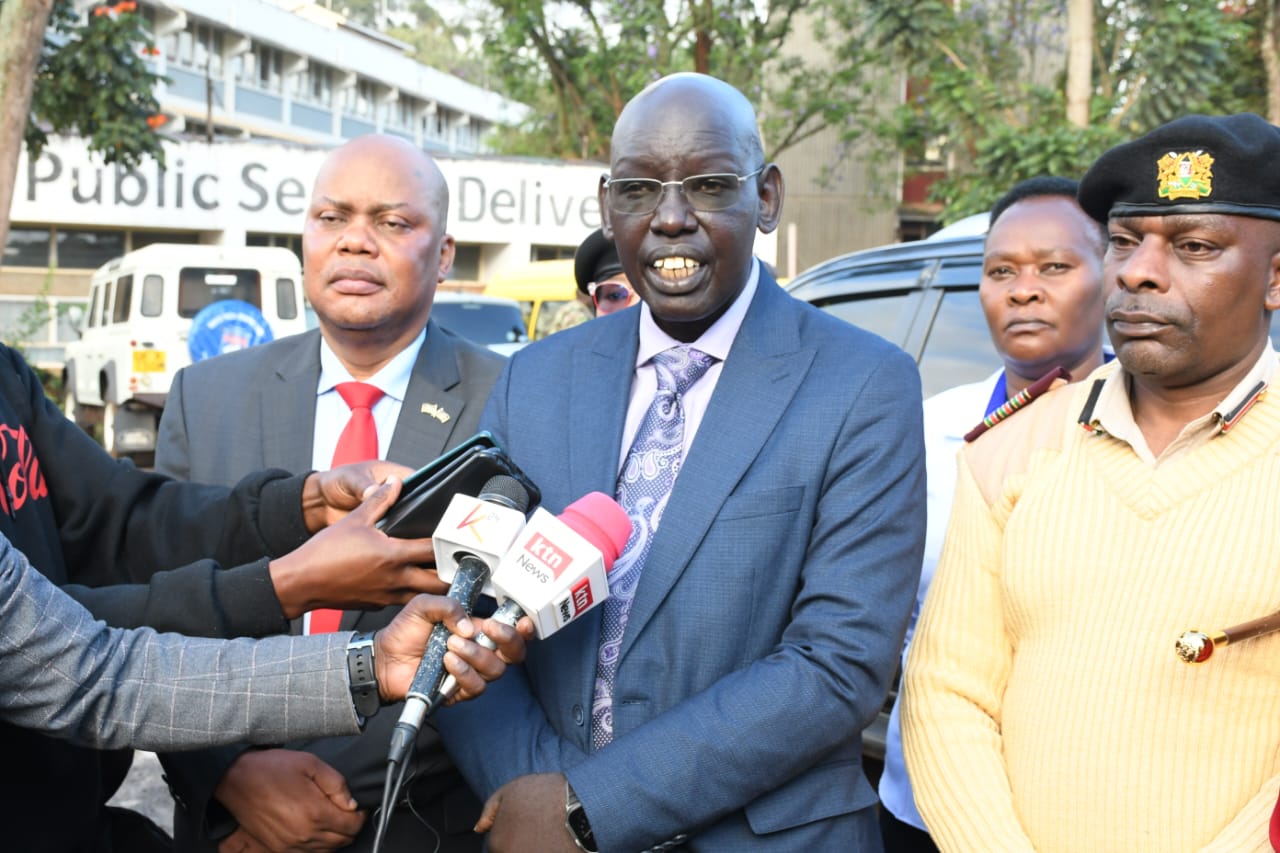
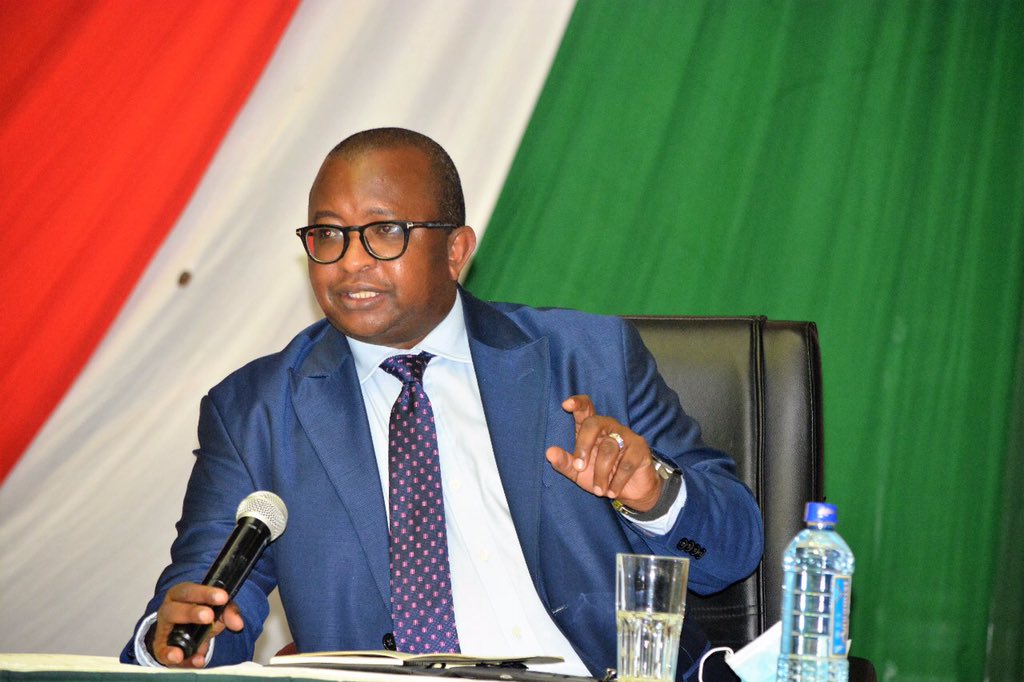
Speaking during the release of the report, Chairperson David Oginde said the past year had seen “significant steps” in strengthening Kenya’s anti-corruption framework.
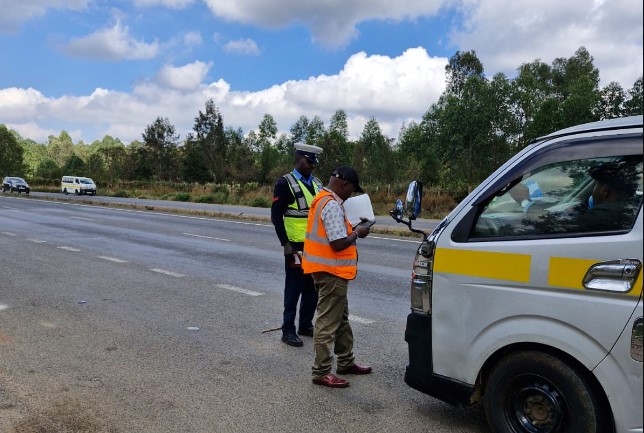
The Ethics and Anti-Corruption Commission (EACC) has disclosed that 152 out of 166 government officers tested in 2024/2025 failed integrity examinations, with only four passing and ten results inconclusive.
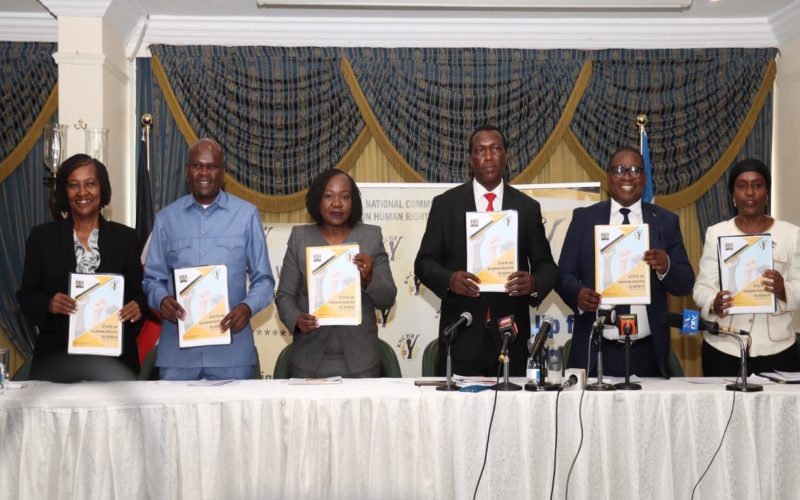
The revelation comes in the Commission’s 2024/2025 Annual Report, launched on Monday, December 8, 2025, at the Integrity Centre by Chairperson David Oginde, accompanied by Commissioners and CEO Abdi Mohamud.
More To Read
- EACC intensifies war on corruption, recovers Sh3.4 billion in assets
- EACC seeks access to mobile money data, more powers to fast–track graft cases under new bill
- EACC report exposes billions lost to corruption in state agencies, counties
- EACC targets money laundering to remove Kenya from global crime watchdog’s grey list
- Bribery dominates EACC corruption cases, embezzlement close behind
- What charges Benjamin Netanyahu faces and what a pardon could mean
The report highlighted that tests were conducted across various government agencies, including the National Police Service and the Ministry of Lands, among others.
It also noted significant gains in asset recovery, with 79 suits filed this year targeting Sh4.8 billion, of which Sh3.4 billion has already been recovered.
Timely intelligence interventions by EACC further prevented losses worth Sh16.5 billion.
Speaking during the release of the report, Chairperson David Oginde said the past year had seen “significant steps” in strengthening Kenya’s anti-corruption framework.
He highlighted the enactment of the Conflict-of-Interest Act, noting, “This landmark law grants the Commission clearer authority and enhanced tools to detect and address conflicts of interest, one of the most pervasive gateways to corruption. It empowers us to intervene early, before unethical conduct escalates into criminality.”
Oginde also pointed to the Anti-Corruption Guiding Framework adopted by the National Council on the Administration of Justice, saying it had improved coordination and sped up justice processes.
He added that digitising public procurement through the e-GP system had introduced transparency in a sector where “the public stands to lose the most.” “These reforms affirm a simple truth: when the policy and legal environment is strengthened, the fight against corruption gains real momentum,” he said.
The Commission reported increased collaboration with state agencies, civil society, the private sector, the media, and international partners. Oginde also raised concern over the rising cases of falsified academic and professional qualifications, warning that Kenya must not become a society where shortcuts override merit.
Convictions have risen sharply, from 12 in the previous year to 33 in 2024/2025, reflecting the Commission’s enhanced investigative and prosecutorial efforts. The report also revealed that 50 individuals were barred from taking up public office due to ethical concerns.
Beyond enforcement, the Commission actively engaged in multi-agency collaborations and increased participation in youth programs, emphasising prevention and civic responsibility.
Despite these achievements, EACC acknowledged ongoing challenges such as weak enforcement of Chapter Six of the Constitution, witness interference, intimidation of officers, bureaucratic silos, and public apathy.
Top Stories Today